Train your perception to change how you see the unknown.

Gain Control Of Your Vision.

Source Drawn Neuro Arts creates coded visual forms that reveal how the mind assigns meaning. When the brain encounters an image that does not immediately resolve, it begins predicting, projecting, and forming symbolic interpretations. These interpretations shape emotional responses and bodily reactions in real time. By observing and shifting the meanings we assign to these visuals, individuals can recalibrate emotional states and gradually reinforce new neural baselines.

Perceptual Visual Stimuli.

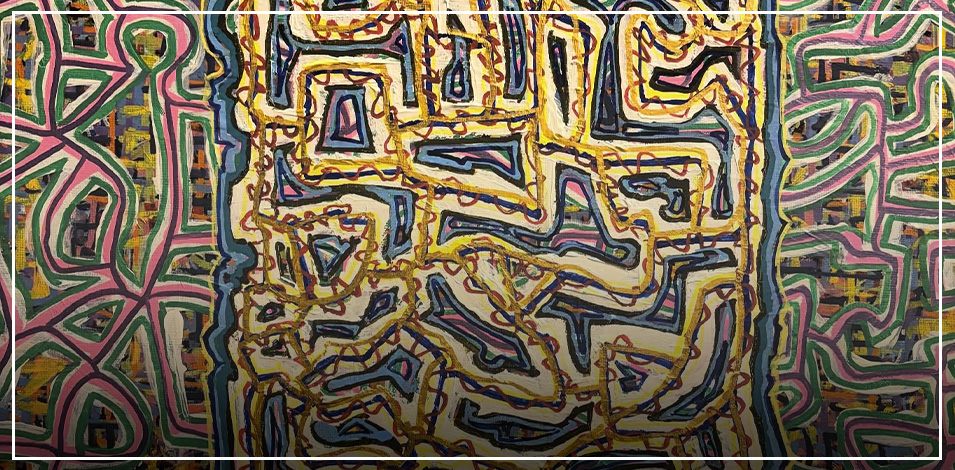
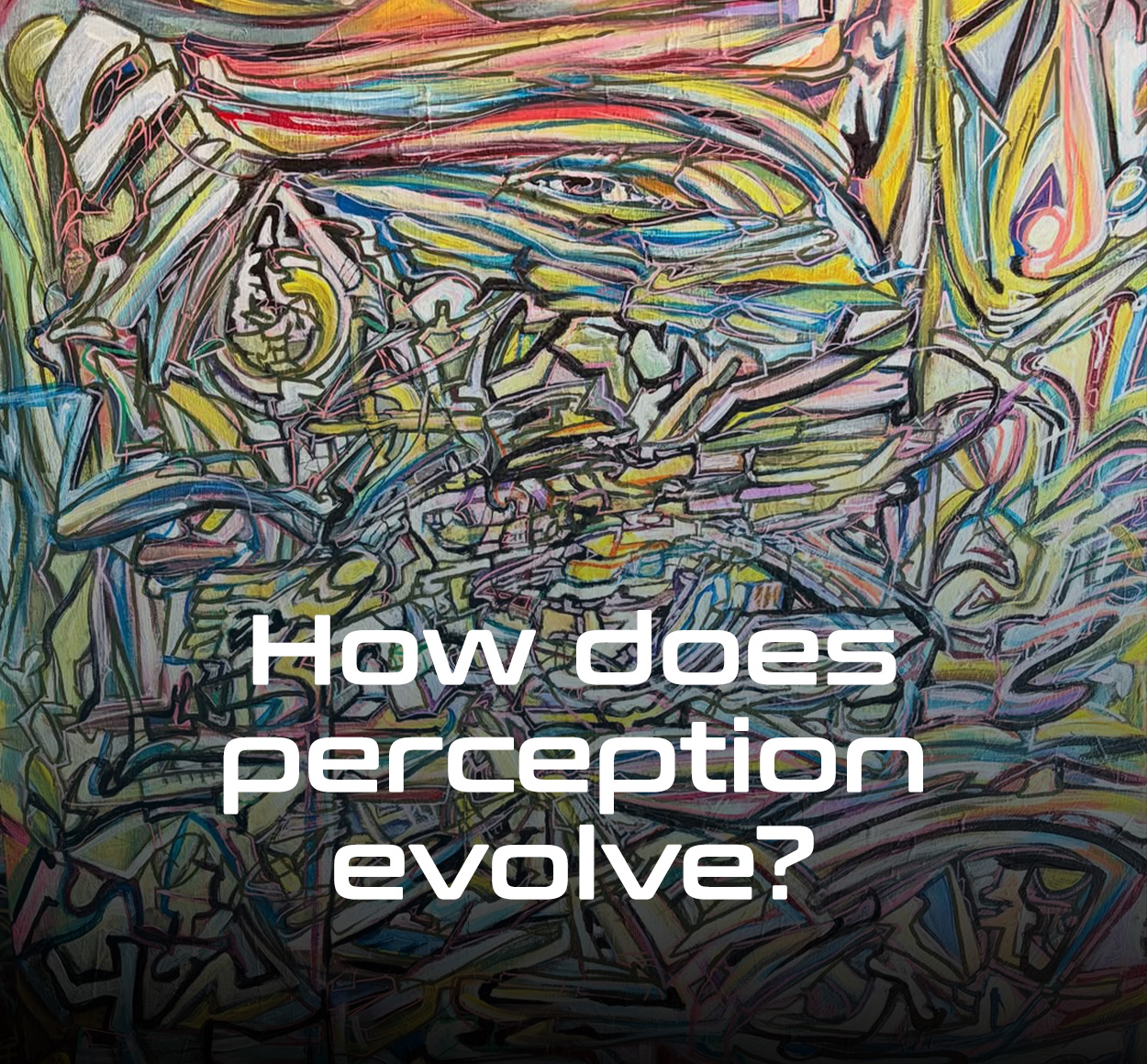
Each piece is intentionally designed so the brain cannot immediately resolve what it is seeing. When identity remains open, the mind begins predicting, projecting, and assigning symbolic meaning to the image. In that moment, perception, emotion, and narrative begin forming together in real time.

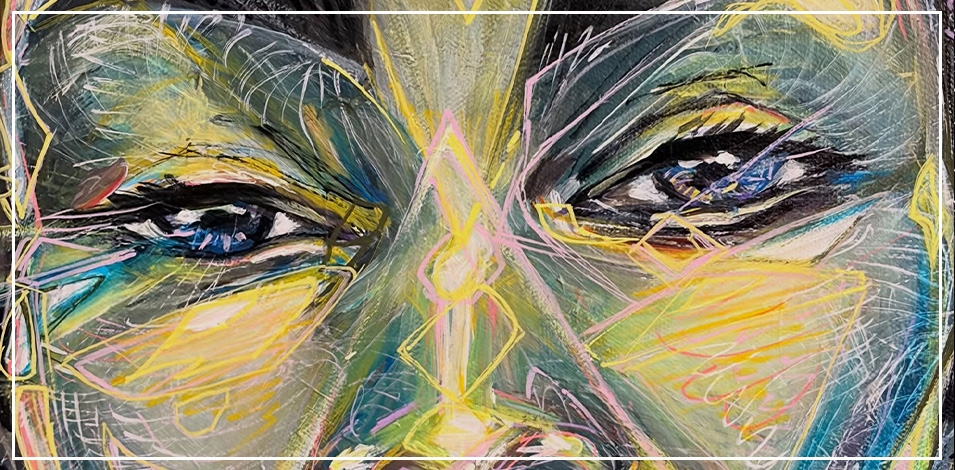
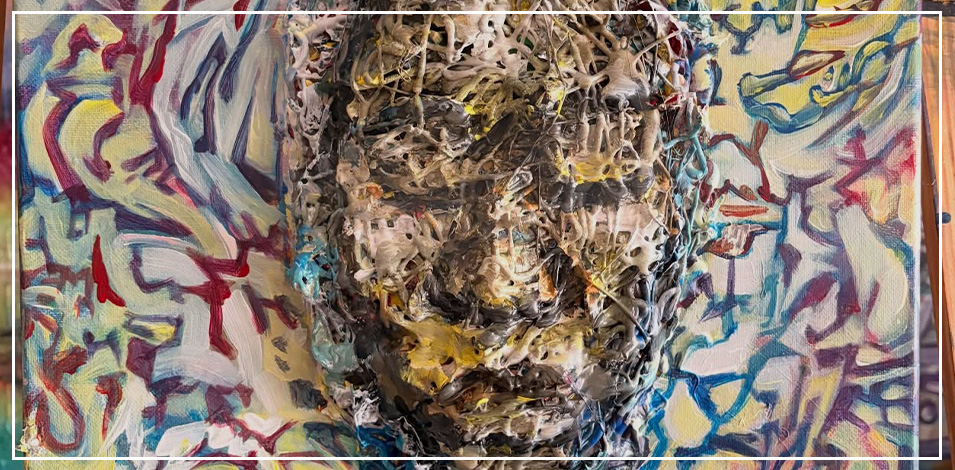
These works function as perceptual instruments. What you see in them is not fixed. The interpretations that arise often reflect personal associations, fears, desires, archetypes, and internal stories. By observing and reframing those interpretations, the viewer begins practicing a different relationship with uncertainty, intensity, and the unknown.
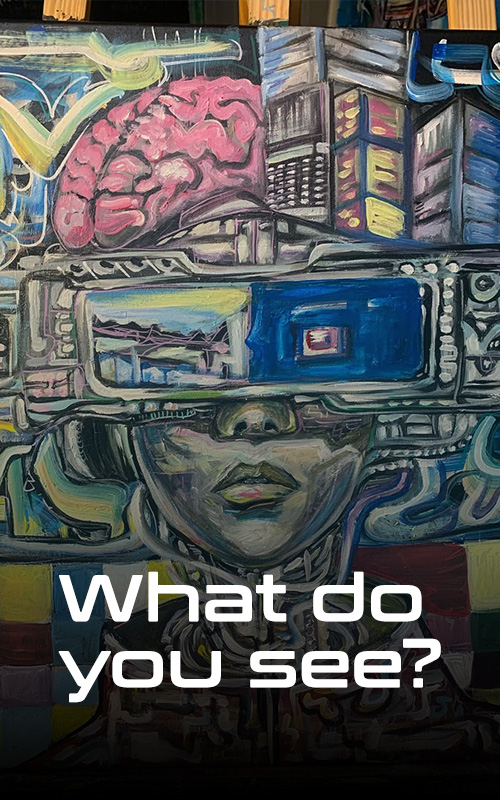
These visuals act as stimulus. The brain immediately asks, “What is this?” Pattern recognition systems begin searching for familiar shapes, structures, and identities.
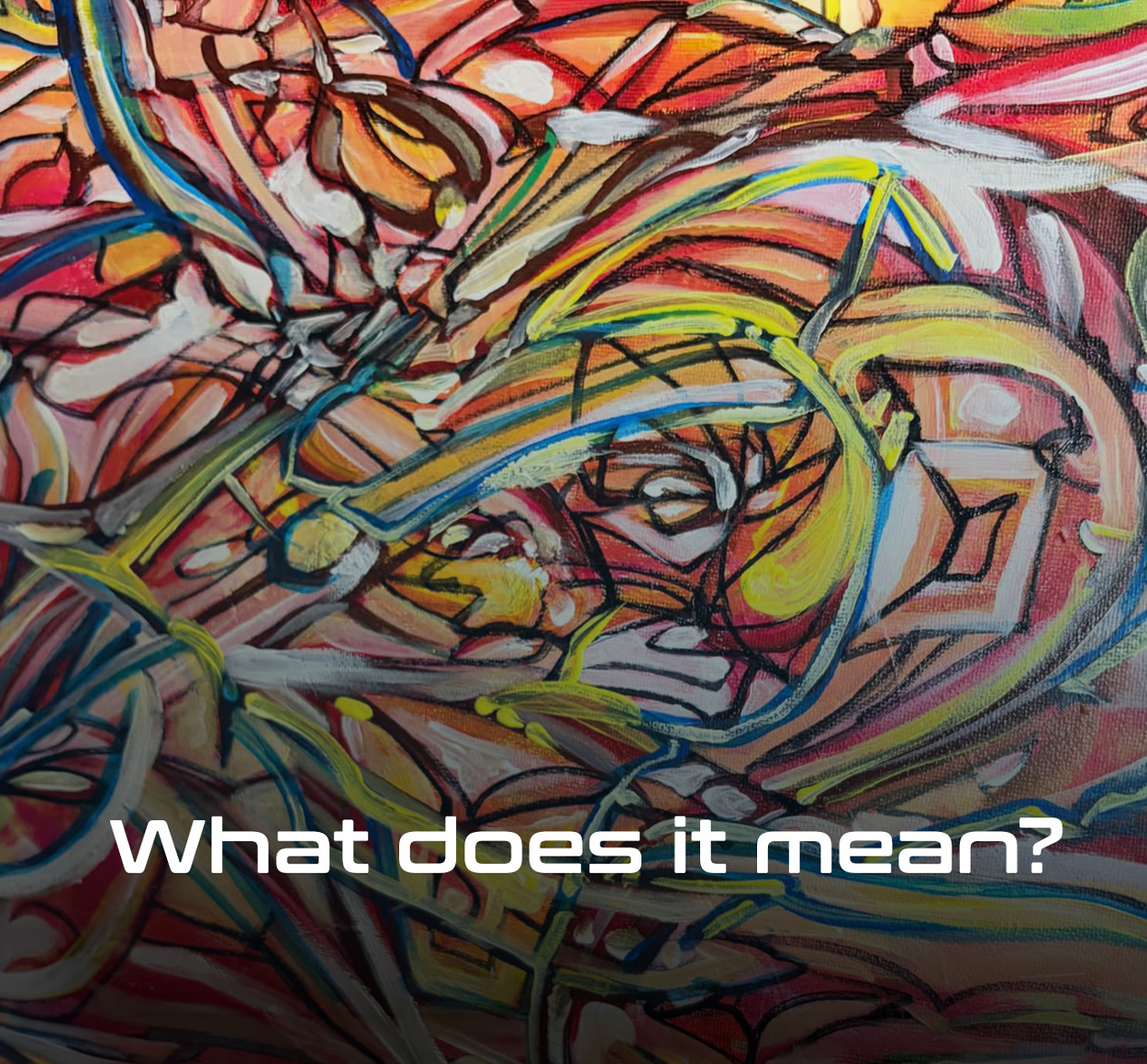
The mind assigns symbolic meaning to what it sees. A single image may read as a guardian, creature, portal, structure, or something entirely different depending on the viewer.
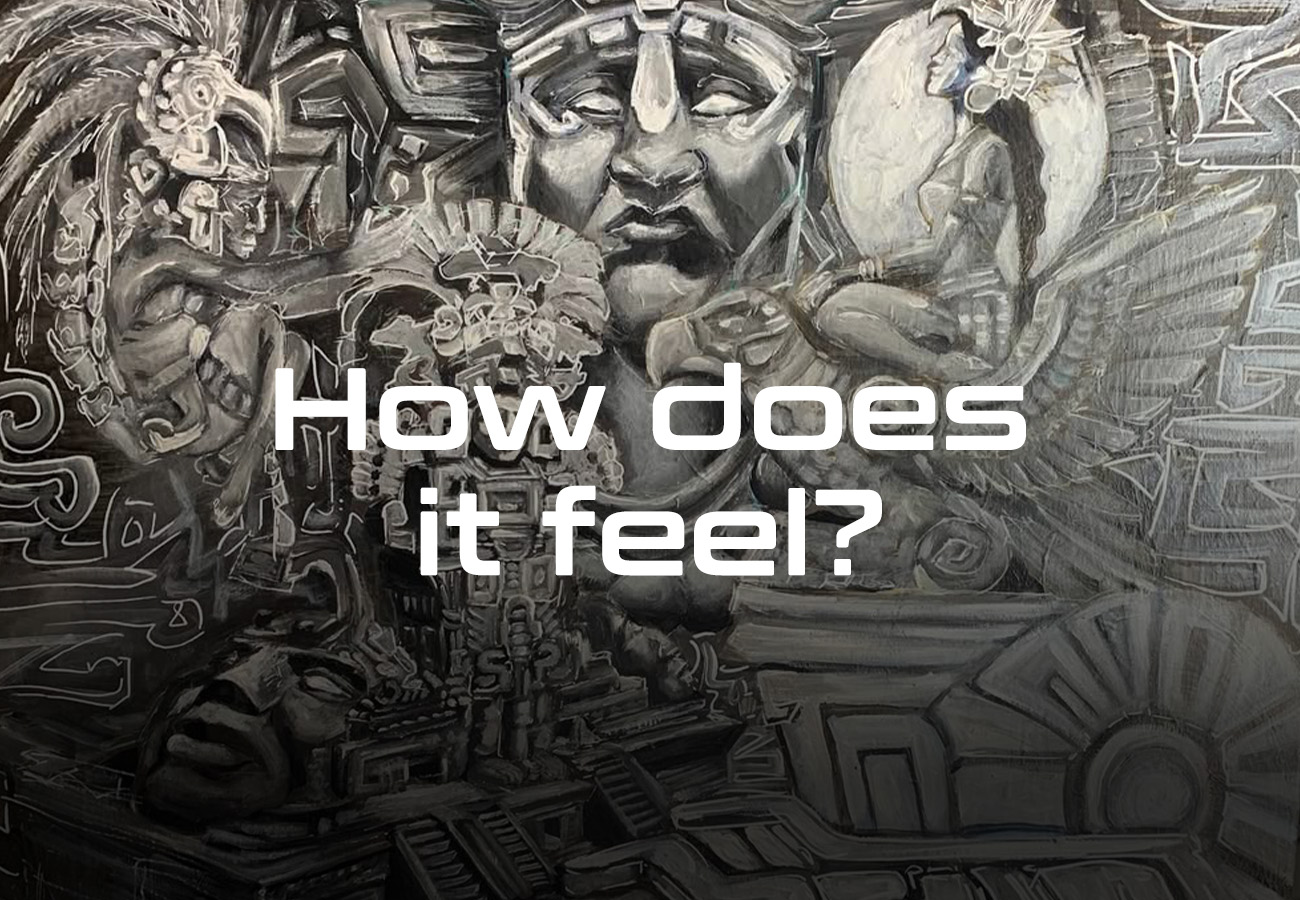
Once meaning is assigned, emotion follows. A form interpreted as threatening may create tension, while the same image read as protective or powerful can evoke calm, curiosity, or fascination.
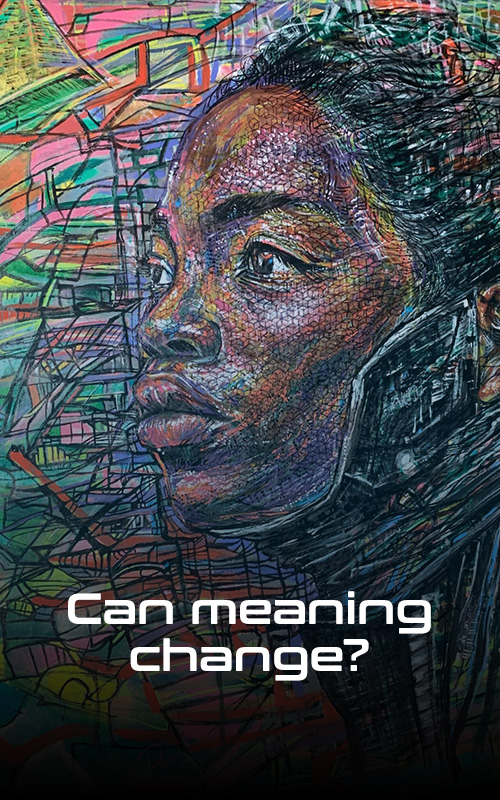
By consciously reinterpreting what is seen, emotional responses can shift. The same visual becomes a practice ground for reframing meaning and recalibrating internal reactions.
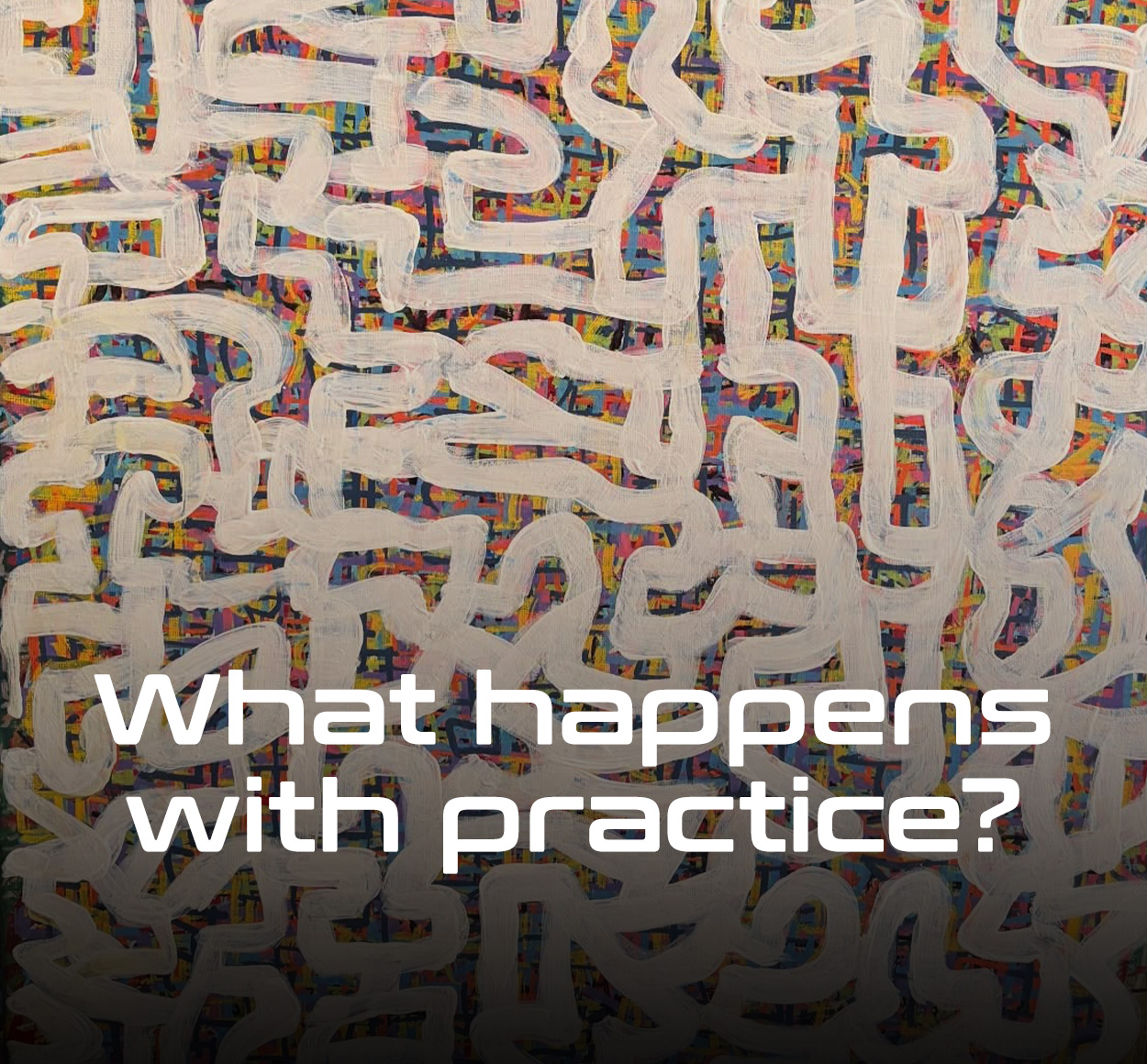
This process becomes training. Repeated reinterpretation teaches the brain that intensity or uncertainty does not automatically signal danger.
Over time, perception becomes more flexible and emotional recovery becomes faster. What begins as an art experience becomes practice in how the mind responds to the unknown.
Step Into the Experience

Neuro Arts invites you to engage your perception, explore symbolic meaning, and experience how interpretation can shift emotion and awareness.

Enter the Experience

Open-ended visuals train perception. When the brain cannot immediately resolve an image, it begins predicting, projecting, and assigning symbolic meaning. In that moment we can observe how perception actively constructs reality.

By consciously shifting interpretation, emotional responses can change. With repetition, this practice teaches the nervous system that intensity and uncertainty do not automatically signal threat.

Every mind assigns meaning to what it sees. Ambiguous art simply reveals that process and invites us to explore it with curiosity.

How does perception become practice?

Neuro Arts works through a repeatable process: an ambiguous visual is presented, the mind assigns meaning, emotion and body response arise, and new interpretations are consciously explored. By pairing those new meanings with regulation and repetition, the experience becomes more than observation. It becomes training for how we relate to ambiguity, intensity, and the unknown.

Ambiguous Input

An image is presented without a fixed meaning so the brain must begin interpreting what it sees.

Symbolic Assignment

The mind projects pattern, identity, and story onto the image, assigning symbolic meaning in real time.

Emotional Reframing

New interpretations are explored to shift the emotional meaning attached to the same visual stimulus.

Neural Recalibration

Through repetition and regulation, perception becomes practice and new neural baselines can begin to form.

Ambiguous visuals are practice for how we meet the unknown.

NEURO ARTS

Train Perception Through Ambiguity

Explore the Work

When the brain encounters an image that does not clearly resolve, it begins predicting and assigning meaning. Ambiguous visuals act as a stimulus that activates pattern recognition and symbolic interpretation.

AMBIGUOUS STIMULUS

The mind immediately projects identities and stories onto the image. What appears may resemble a guardian, creature, structure, or portal depending on the viewer’s perception.

SYMBOLIC PROJECTION

The meaning assigned to the image drives an emotional response. The same visual may evoke tension, curiosity, fascination, or calm depending on how it is interpreted.

EMOTIONAL RESPONSE

By consciously reframing the meaning assigned to the image, emotional reactions can shift. Repeated reinterpretation becomes a practice that trains perception and supports new neural baselines.

CONSCIOUS REFRAMING

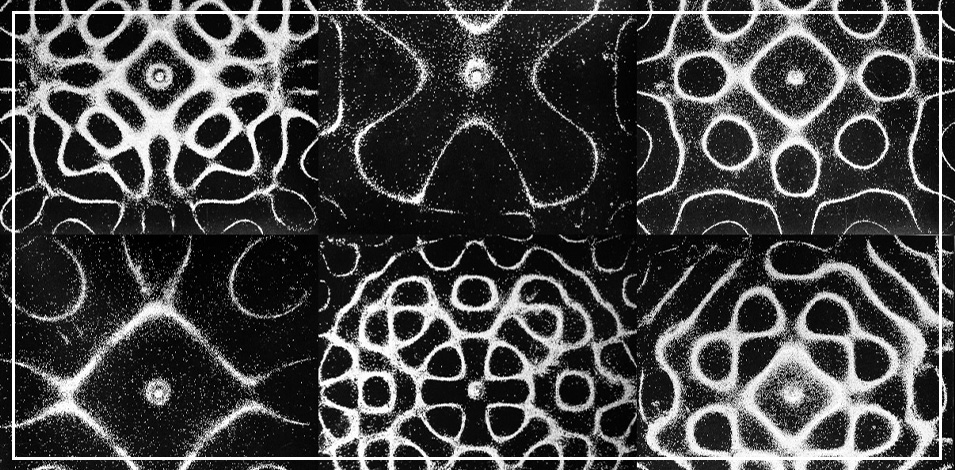
This work is designed to influence internal state through contrast, rhythm, symmetry, and pattern using visual experience to support focus, reflection, calm, or activation.

The imagery functions like an archetypal mirror, inviting viewers to notice what they project, what they feel, and how a shift in meaning can open a different relationship to intensity, emotion, and self-understanding.

Art as a Nervous-System Instrument.

Source Drawn Neuro Arts is led by a visual artist who approaches image-making as both creative expression and perceptual exploration. Working from a colorblind perspective, the artist relies heavily on contrast, structure, symmetry, and layered pattern rather than conventional color cues. This creates images that invite the brain to look longer, search deeper, and continually reinterpret what it sees.

Much of the work is created in a focused, flow-like state where intuition guides line, rhythm, and composition. The finished pieces become a record of that state visual fields designed to draw the viewer into presence, curiosity, and reflection. The goal is not simply to produce artwork, but to create experiences that engage perception and open space for new ways of seeing.

Experience the Work

Explore the Art

The Language of Neuro Arts

CSR
  • Cognitive Symbolic Reframing
  • Exploring how the mind assigns meaning
  • Observing immediate interpretations
  • Identifying emotional responses to symbols
  • Practicing alternative interpretations
NSPT
  • Neurosymbolic Perception Training
  • Repeated exposure to symbolic imagery
  • Developing perceptual flexibility
  • Practicing emotional regulation
  • Building new perceptual habits
ANR
  • Applied Neuroaesthetic Recalibration
  • Art designed around brain perception
  • Visual structures that guide attention
  • Pattern, symmetry, and contrast as tools
  • Artwork as a nervous system instrument

From “what do you see?” to “how do you choose to see?”

NEURO ARTS

Explore the Framework

Discover More

About the Artist

Leonard “El” Chapman is an Atlanta-based visual artist whose work explores perception, symbolism, and the emotional landscapes that emerge through visual experience. Influenced by his Cruzan family roots in the Virgin Islands and the cultural energy of Atlanta, his work blends structured design, archetypal imagery, and intuitive creation to produce pieces that invite viewers into deeper reflection.

Leonard “El” Chapman

Chapman’s creative process often begins in a focused, intuitive state where gesture, rhythm, and structure guide the formation of each piece. His work is known for layered forms that suggest faces, creatures, portals, or symbolic structures—images that encourage viewers to interpret and project their own meanings.

Through this approach, his art becomes more than something to observe. Each piece is designed to invite curiosity, reflection, and a deeper awareness of how the mind interprets what it sees.

Art can be more than something we look at. It can be something that trains how we see.

NEURO ARTS

Experience Neuro Arts

Explore the Work

The Neuro Arts Framework

The work is built around a simple idea: the brain constantly assigns meaning to what it sees. When a visual image is open enough to support multiple interpretations, it becomes a powerful tool for observing how perception, symbolism, and emotion interact. Neuro Arts explores that relationship through three connected lenses: Cognitive Symbolic Reframing, Neurosymbolic Perception Training, and Applied Neuroaesthetic Recalibration.

The Perception Process

When a viewer encounters one of these images, the mind immediately begins searching for patterns and identity. A symbol or story appears, emotion follows, and the body responds. By slowing down and examining that chain of perception, participants can experiment with different interpretations and notice how emotional reactions shift when the meaning changes.

Visual Practice

With repetition, the experience becomes more than observation. The artwork becomes a practice for perception itself. By repeatedly exploring multiple interpretations and pairing them with regulated breathing or grounded attention, viewers begin building flexibility in how they respond to intensity, uncertainty, and the unknown.

Who This Work Is For

Neuro Arts is designed for people interested in exploring perception, symbolism, and emotional response through visual experience. The framework can be approached as artistic exploration, reflective practice, or guided perception training depending on the context.

WHO Individuals curious about how perception works including artists, therapists, practitioners, creatives, and anyone interested in exploring how meaning, imagery, and emotional response interact.

WHEN The work can be experienced through artwork, guided sessions, workshops, or personal practice whenever someone wants to explore perception, symbolism, and the inner responses that arise through visual engagement.

WHY Because the mind is constantly assigning meaning to what it sees. By observing and reshaping that process, people can develop a more flexible relationship with intensity, uncertainty, and the unknown.

WAYS TO ENGAGE

ARTWORK
  • Explore original neuro-encoded artwork
  • Visual structures designed to engage perception
  • Symbolic imagery that invites interpretation
  • Pieces created in focused flow states
  • Artwork intended for reflection and presence
GUIDED SESSION
  • Guided perception exploration
  • Observe how the mind assigns meaning
  • Identify emotional responses to imagery
  • Explore alternative symbolic readings
  • Connect perception with body awareness
  • Reflect on how interpretation shapes experience
GROUP WORKSHOP
  • Introduction to Neuro Arts
  • Explore perception and symbolic interpretation
  • Learn the principles of visual neuroscience
  • Group reflection and discussion
  • Creative exploration through imagery
  • Workshops for artists and practitioners
  • Practical applications for perception training

Continue the Exploration

Connect

Get in Touch

Sign up below to get started, or send us an email.